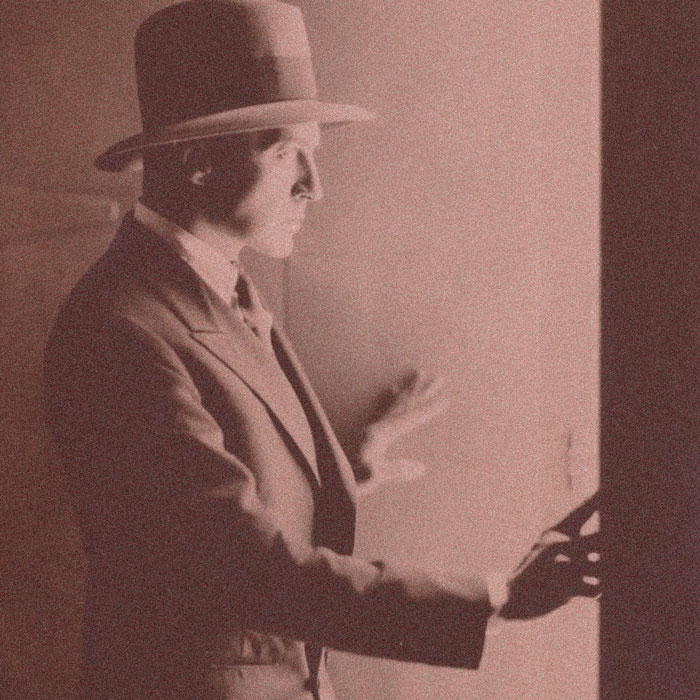
Catalogue · No. 64
Docks of New York
Josef von Sternberg · 1928 · United States · 76 min
Synopsis
A rough ship stoker saves a woman from suicide on the foggy waterfront, leading to an impulsive marriage in a crowded dive bar. What begins as a drunken whim slowly transforms into a genuine emotional bond between two lonely souls. Josef von Sternberg elevates this simple melodrama with atmospheric lighting and visual poetry, creating a moving study of redemption. It stands as a visual masterpiece of the late silent era, renowned for its mood.
Critique
Josef von Sternberg’s Docks of New York is the visual pinnacle of late silent cinema. It elevates a simple melodrama about a stoker and a prostitute into a symphony of fog, shadow, and light. Sternberg’s mastery of atmosphere creates a claustrophobic, dreamlike world where emotional truth supersedes plot. It is a masterclass in visual storytelling, proving that mood and lighting could carry a film as much as the actors. As a precursor to his work with Marlene Dietrich, it stands as a testament to the power of purely cinematic poetry to redeem the mundane.
Technical sheet
- Director
- Josef von Sternberg
- Year
- 1928
- Country
- United States
- Running time
- 76 min
- Genre
- Drama, Romance
- Written by
- Jules Furthman, John Monk Saunders, Julian Johnson
- Cinematography
- Harold Rosson
- Cast
- George Bancroft, Betty Compson, Olga Baclanova, Clyde Cook, Mitchell Lewis, Guy Oliver
- Production
- Paramount Pictures, Paramount Famous Lasky Corporation
- Music
- Newly composed original score
Licensing
Screening availability
- Theatrical screenings
- Non-theatrical screenings
- Festivals and cinematheques
- Educational screenings
- Television broadcasting
- Digital platforms and streaming
- Promotional and editorial use
- Licensing of graphic and visual materials
Available formats
- DCP
- DCP with subtitles
- Apple ProRes
- MP4 Screening File
- MP4 Rehearsal Copy for Musicians (silent films)
- Blu-ray
- High-resolution archival masters
Promotional materials
- Posters
- Press stills
- Promotional assets
- Screening support materials
Available subtitles
- English
- Spanish
- French
- Portuguese
- Italian
- German